
Governments, miners, refiners and manufacturers.
The Natrium Redox™ process answers all four.
Governments are working to secure critical minerals, keep primary steel production onshore, and build advanced manufacturing capacity. One process serves all three.
It also takes on a liability they already carry. There is no market for red mud today. It is a stored liability held at cost and at risk by every refiner that has ever produced it. Four billion tonnes are stockpiled worldwide, and the world adds 180 million tonnes every year. We subtract.
These stockpiles routinely hold iron oxides and rare earths at concentrations well above those of the upper continental crust. Jamaica alone holds more than 100 million tonnes, containing 40 million tonnes of iron oxides. Remediation becomes industrial activity, and the critical minerals come with it. The liability sits with one party and the permit with another. We work with both.

The value conventional processing leaves behind is still in the material. One chemistry runs on five feedstocks and produces several products from each.
Iron ore, limestone, manganese ore, bauxite and red mud in. Iron, alumina, lime, manganese, titania and a rare earth concentrate out, alongside saleable chemical streams. Less waste, and more revenue per tonne moved.
A plant is built alongside the operation, sized to the material it is fed.
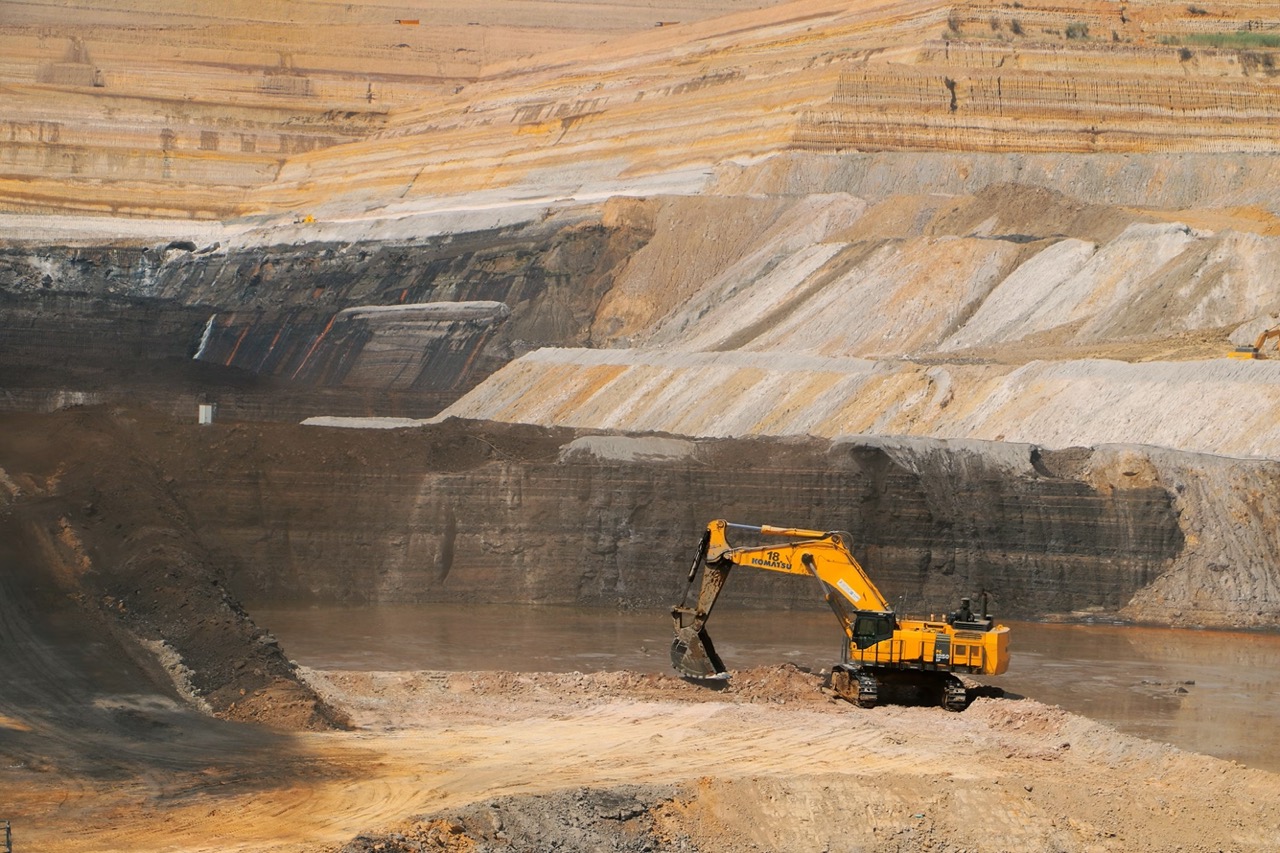
Refiners are where raw material becomes metal. This is the core of what the process replaces, the reduction and refining step that turns ore and residue into metals, alloys and minerals.
It runs on the same site, into the same downstream plant. Processing bauxite this way produces no red mud at all, which changes the permitting and closure position of a refinery as much as its emissions. Existing residue comes back apart into iron, alumina, titania and a rare earth concentrate.
A closure liability becomes a second feedstock, on ground the refinery already owns.
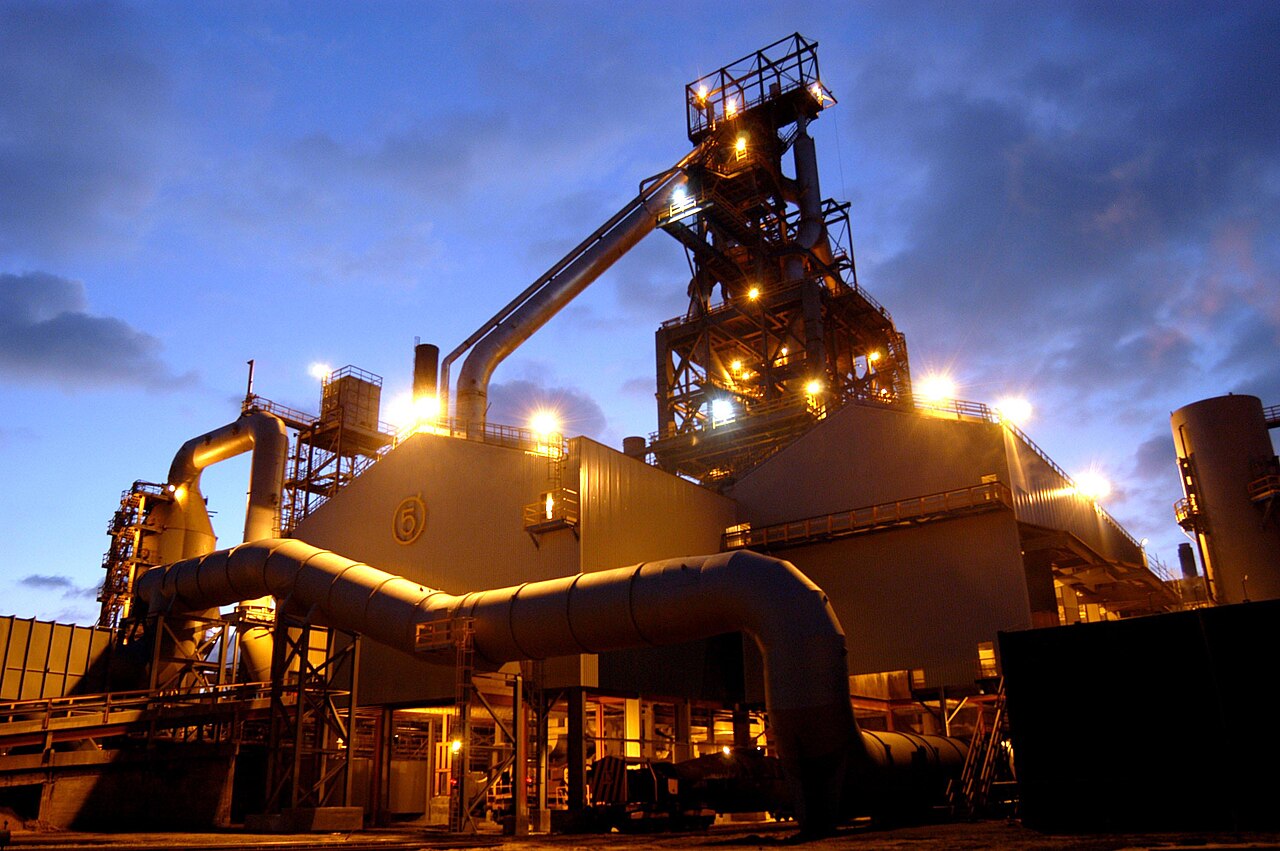
The product drops into an existing plant. High-purity metal powder feeds an electric arc furnace, and lime feeds a cement works, with nothing downstream to change.
The process sits below the cost-curve of comparative technologies without a carbon premium. Our CO₂ leaves the plant as product, not exhaust.
A scale-up plant processes 150 ktpa of raw material, less than 100th of 1% of global production, so it is financed and built in years rather than decades. We license the process to the operators who build and run the plants.
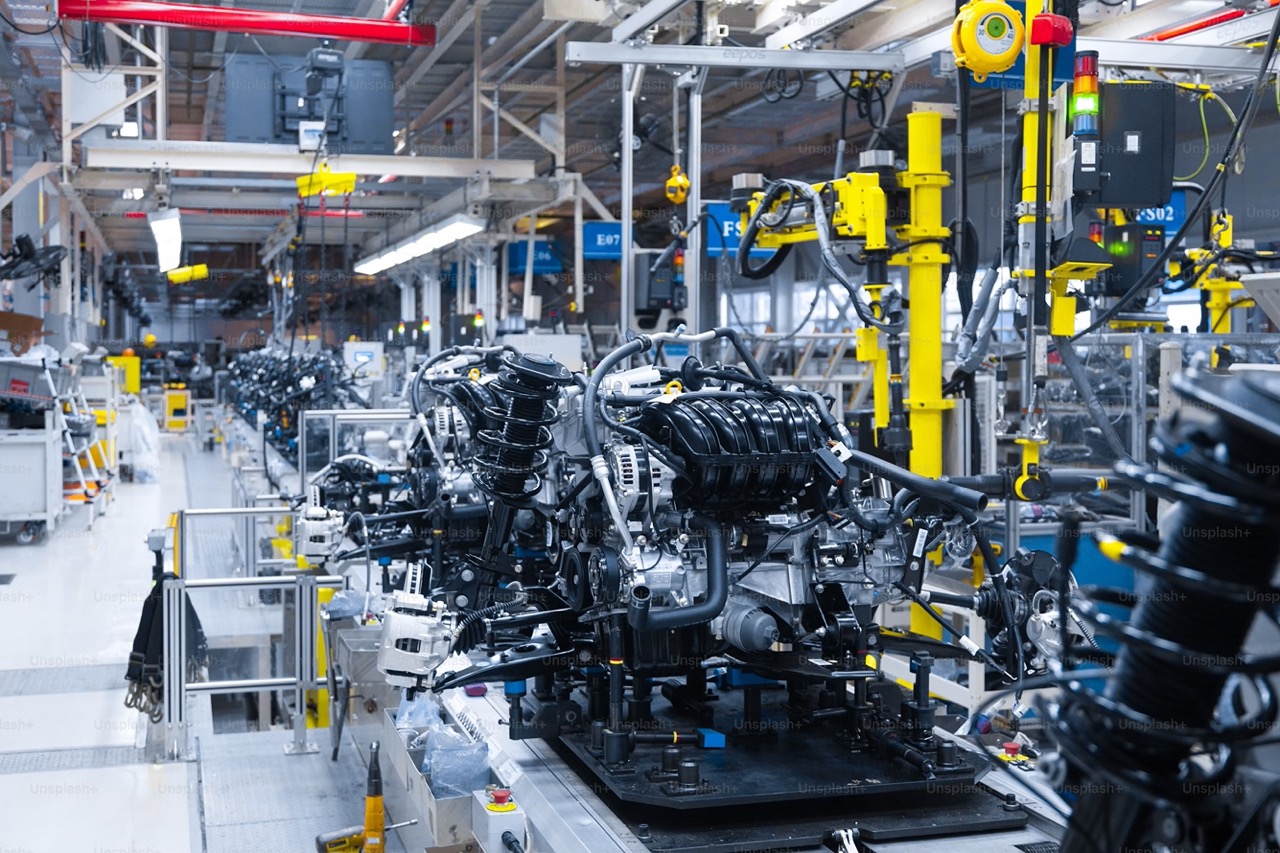
Every pathway stands on its own commercially. A plant is built for the material in front of it and the products its customers want, which is why the same chemistry serves a government, a miner, a refiner and a manufacturer.
Talk to us