
We process five primary raw materials: iron ore, bauxite, red mud, manganese ore and limestone or dolomite. What we deliver is a slate of products rather than a single commodity, depending on the customer's needs.
Five raw materials, already coming out of the ground.
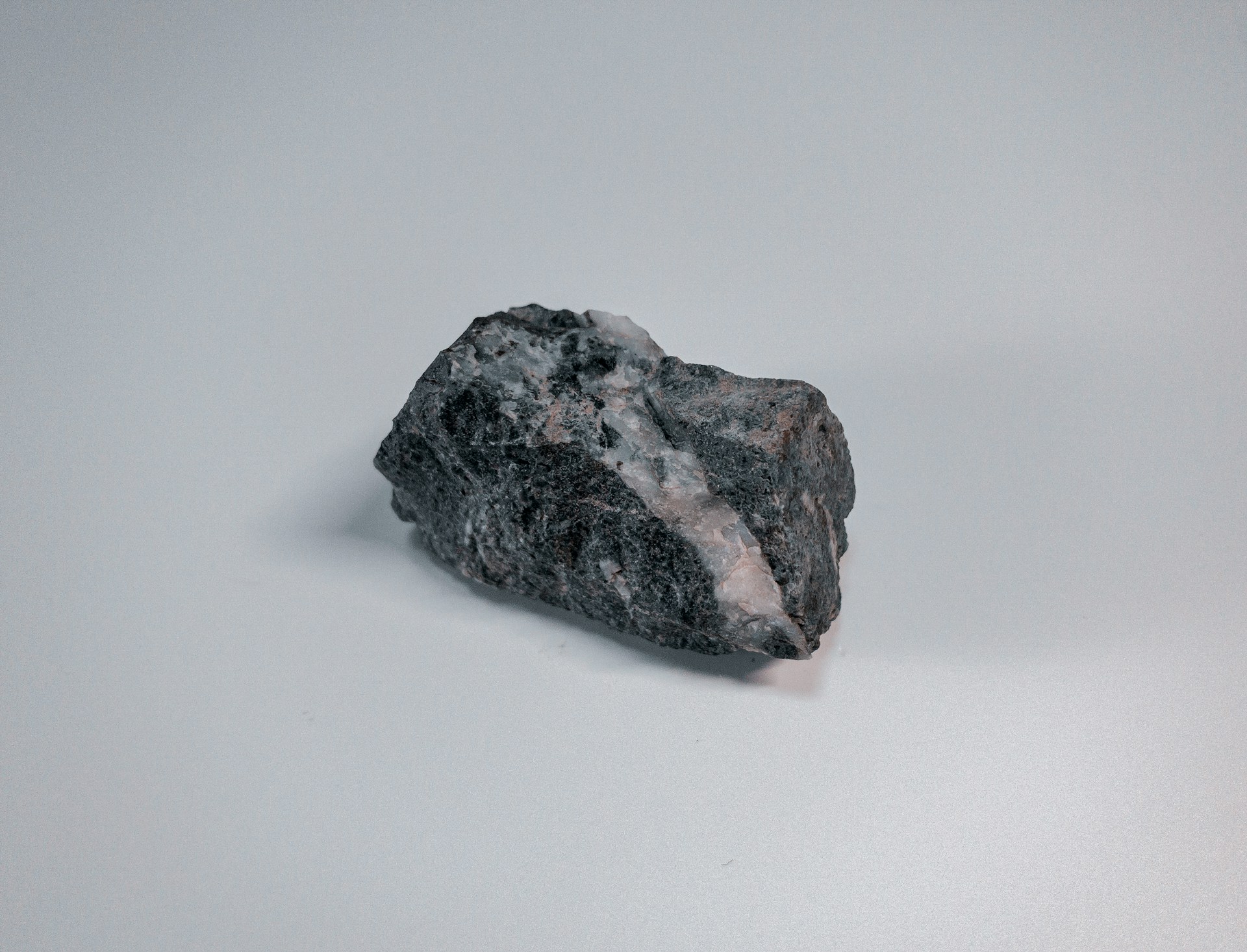
Iron ore
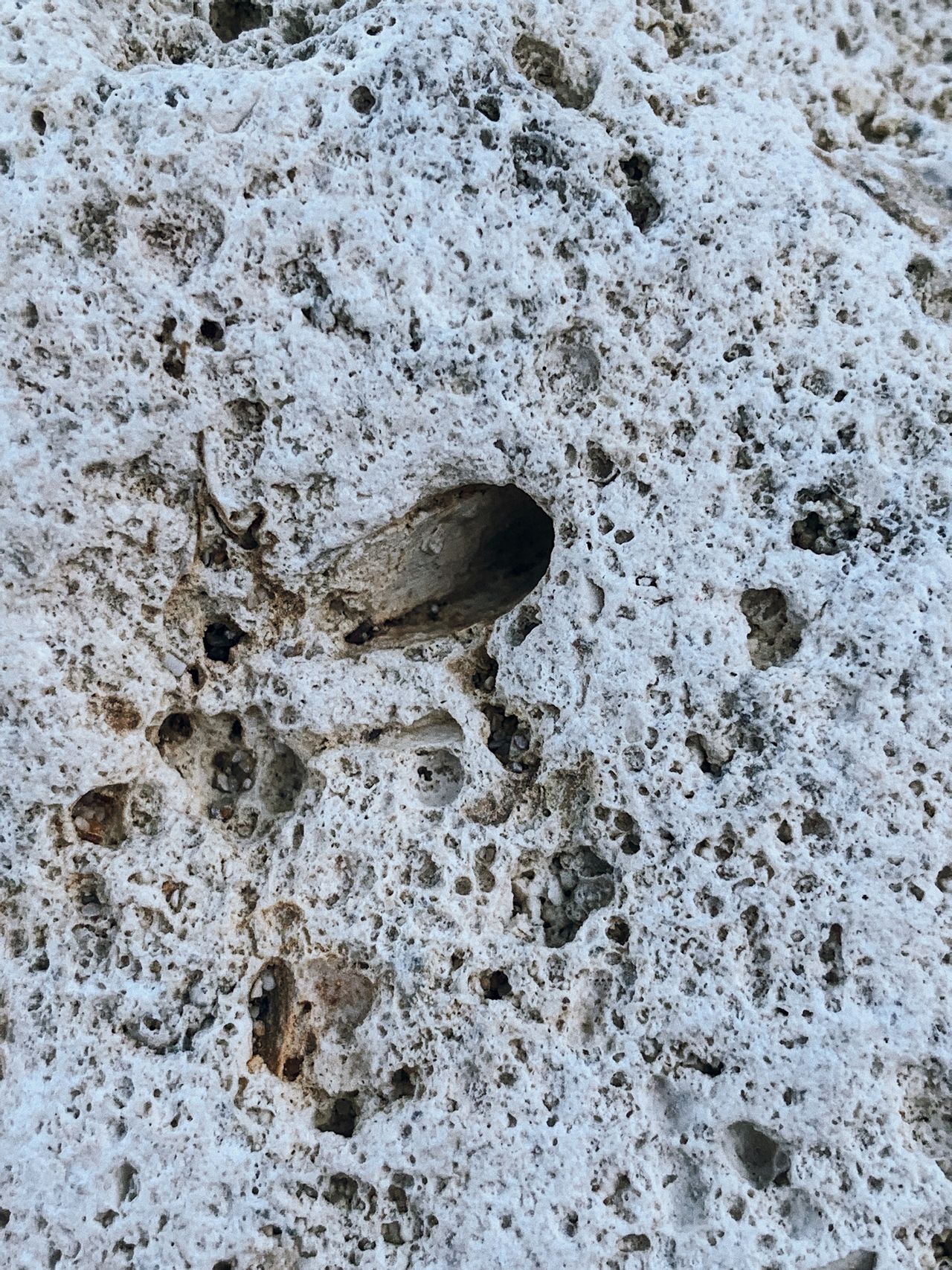
Limestone and dolomite
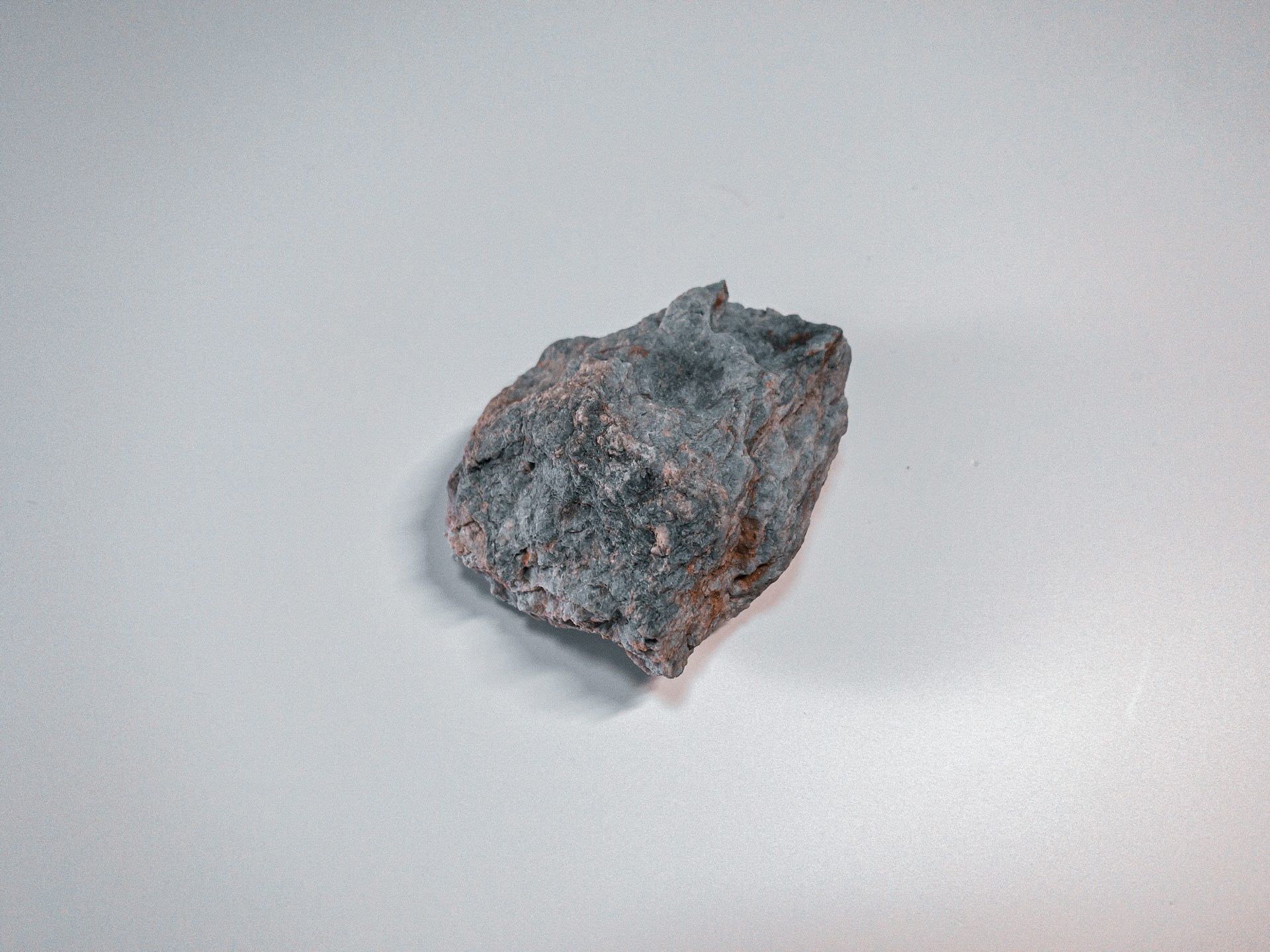
Manganese ore
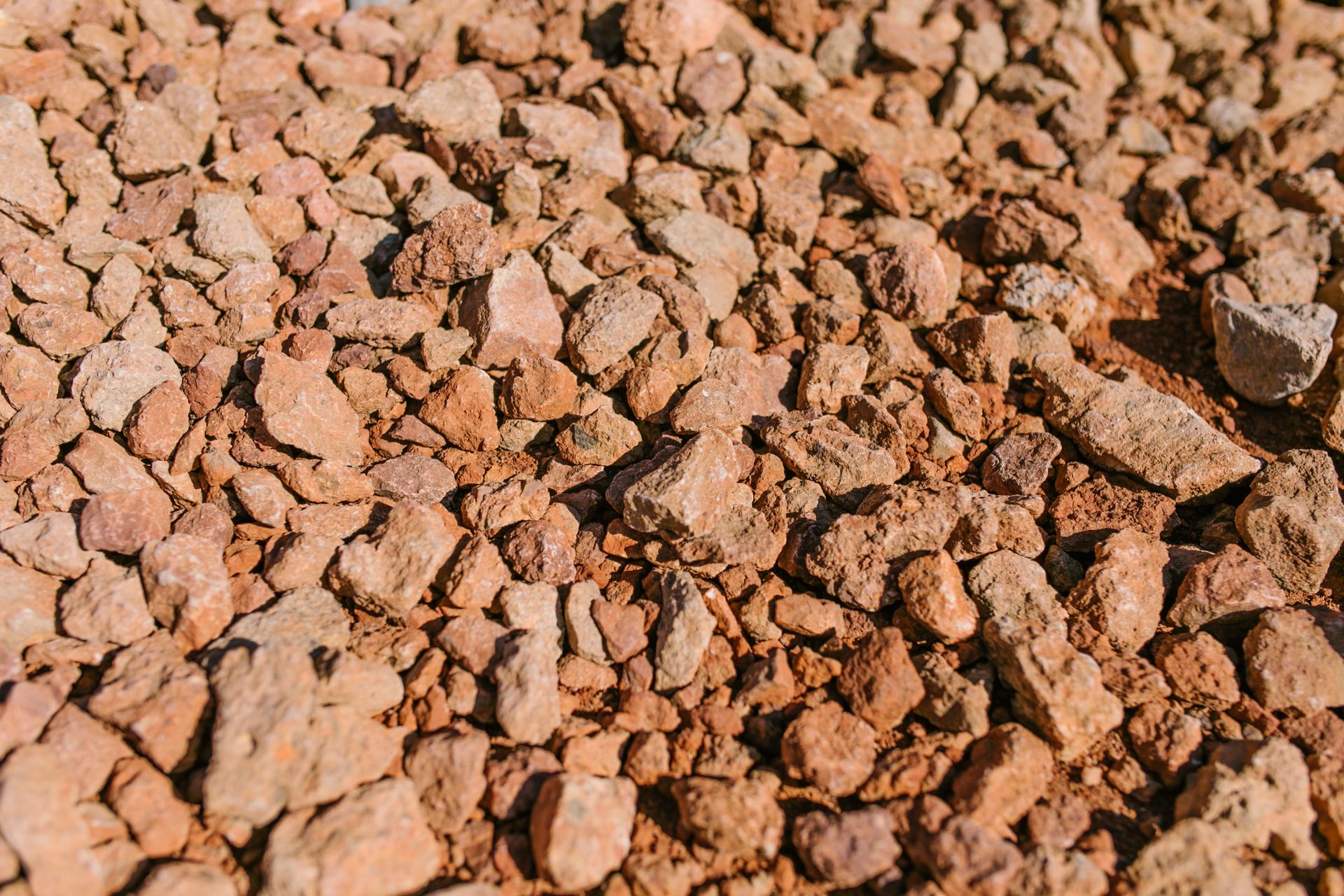
Bauxite
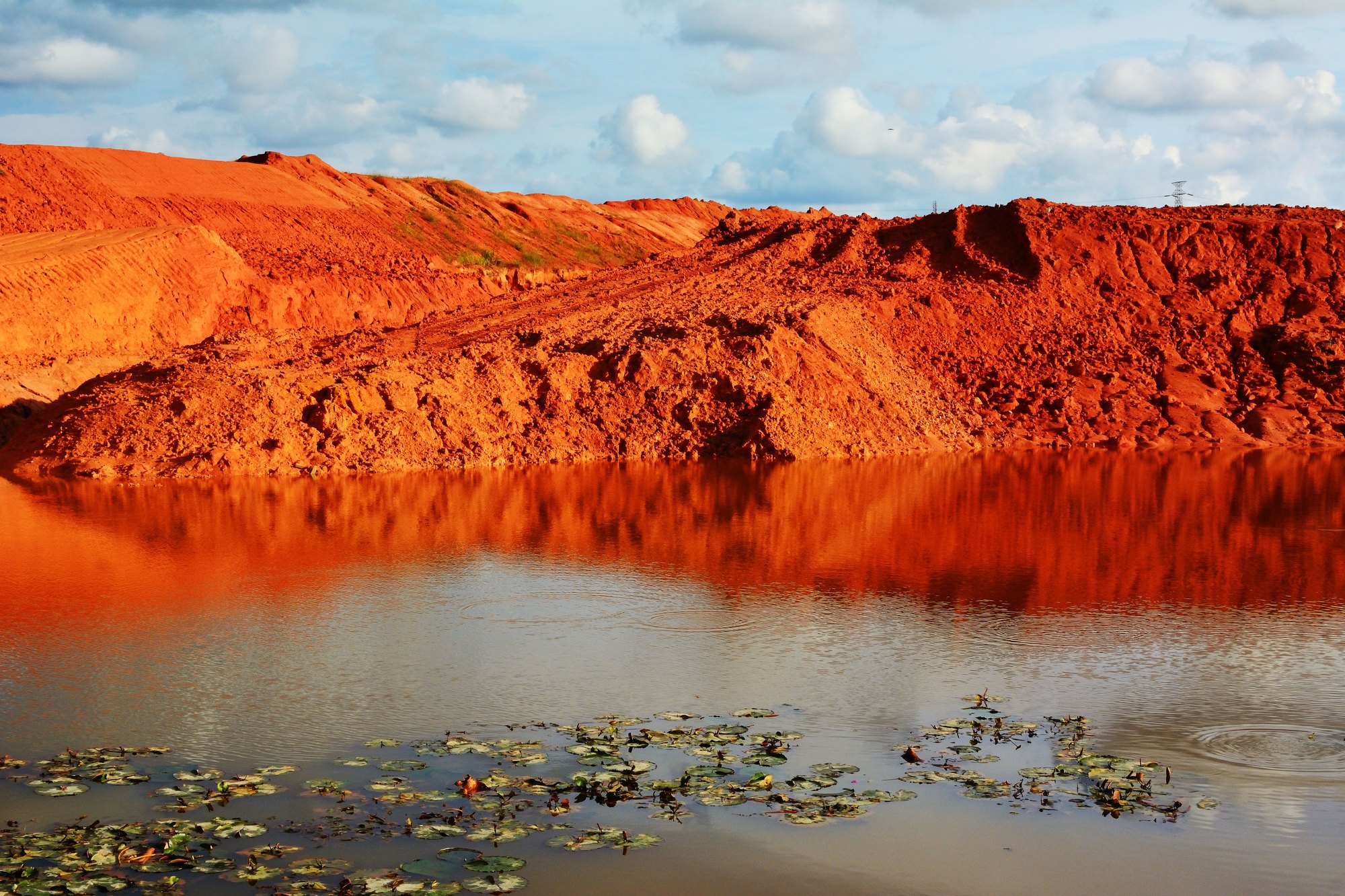
Red mud
There is no one-to-one relationship between an input raw material and a product. Iron arrives by three separate routes, alumina by two, and red mud alone yields multiple saleable streams. The slate below is what we can deliver from the five primary raw materials.
Over 99.9% Fe. From iron ore, and recovered from red mud and bauxite. A 1.9 billion tonne per year global market for iron-to-steel feedstock.
A direct feedstock for electric arc furnaces, taking the place of scrap and directly reduced iron without changes to the melting step.
Over 99.7%. Direct from rhodochrosite and pyrolusite ores, with metal carried into tailings also recovered. A 20 million tonne per year global market for manganese alloys.
Manganese goes into almost every tonne of steel made, supplied today largely as ferromanganese from energy-intensive smelters.
Calcium oxide from limestone, produced at the same time as iron. The primary feedstock into cement rather than cement itself. A 4.5 billion tonne per year global market for lime into cement.
A drop-in feedstock for existing cement plants, replacing kiln-calcined lime with no change to the grinding and blending steps that follow it.
From bauxite directly, with the iron recovered rather than discarded into residue, and from stockpiled red mud. A 145 million tonne per year global market.
The feedstock into primary aluminium production, meeting that specification. Processing bauxite this way produces no red mud, which changes a refinery's closure position as much as its emissions.
From dolomite, a magnesium-bearing variant of the limestone feedstock, processed on the same route with lime recovered alongside it, and can be converted into metal by others.
Recovered from bauxite and red mud, alongside iron, alumina and rare earths, and can be converted into metal by others.
Recovered from bauxite and red mud, where we deliver a concentrate at levels well above those of the upper continental crust.
Where carbonate raw materials (limestone, dolomite, rhodochrosite) are processed, the CO₂ released is captured into sodium carbonate and sold. We can also capture other CO₂ emissions at a plant in the same way. Our CO₂ leaves the plant as product, not exhaust.
When sodium is consumed to capture CO₂ as sodium carbonate, excess chlorine is generated. Another valuable product for industrial, manufacturing and healthcare use.
Even our waste is valuable. We can turn the residual silicates in the waste material into alkali-activators, used to make geopolymer cement systems.
Ten products from five raw materials, with zero process CO₂ and below the cost-curve of comparative technologies.
See who we work with